Details
Become a skilled and qualified welder.
This programme builds on Level 3 and develops the advanced skills required to work independently as a welder in engineering fabrication, steel construction, mechanical engineering, and related industries. You’ll acquire the competence to carry out complex welding tasks to industry standards and work confidently within your chosen discipline.
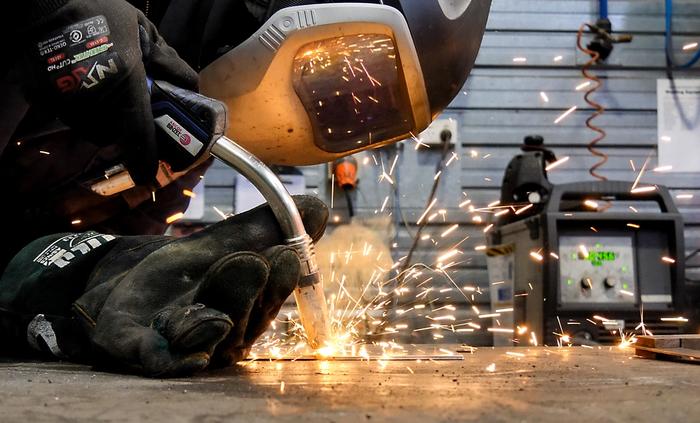
Welding Level 4 provides a pathway into Engineering Fabrication (Trade) Level 4 or into specialised welding careers.
| Qualification | New Zealand Certificate in Welding (Level 4) |
|---|---|
| Credits | 60 |
| Duration | Approx. 42 weeks |
| Study Type | Workplace-based with online/self-study |
| Start | Anytime |
| Location | NZ-wide |
| Leads To | Engineering Fabrication (Trade) (Level 4) – Heavy, Light, or Steel Construction Mechanical Engineering (Level 5) (via Fabrication pathway) |
What you'll learn
- Advanced MIG, TIG, and MMA welding techniques
- Working independently within specific welding disciplines
- Welding quality assurance and defect identification
- Producing welds to industry codes and procedures
- Understanding welding symbols, drawings, and specifications
- Safe work practices, risk management, and compliance

Career Opportunities
Production Welder
Welding Supervisor / Leading Hand
Certified Welder
Structural Steel Welder
Welding Inspector
Engineering Fabrication Tradesperson (via further training)
Entry requirements
- NZ Citizen or NZ Resident (Resident Visa / Permanent Resident / eligible Australian citizen)
- Completed Welding Level 3 or equivalent industry experience
- 16 years or older (or early leaving exemption approved)
- Employed in a relevant welding/engineering role
- Interview to confirm readiness
Find this apprenticeship pathway on Tahatū
Qualification:
New Zealand Certificate in Welding (Trade) (Level 4)
This qualification is listed on Tahatū Career Navigator, Aotearoa New Zealand’s national careers planning website led by the Tertiary Education Commission (TEC).